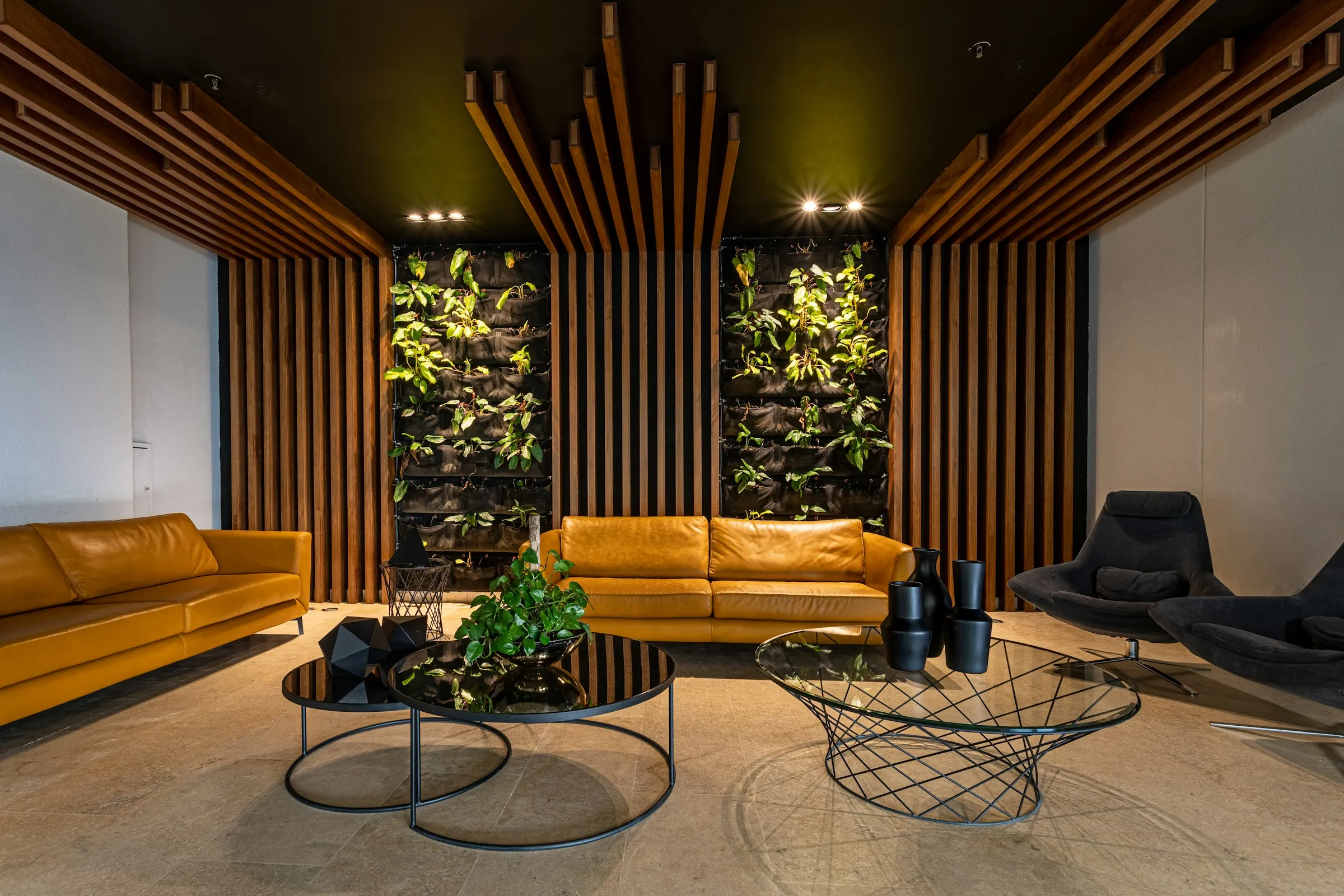
Great spaces do more than serve a function—they evoke emotion, spark creativity, and shape the way people think and interact. Whether it’s a home, an office, or a public environment, thoughtful design has the power to influence mood, productivity, and even well-being. Designing spaces that inspire is about blending aesthetics with purpose, creating environments that not only look good but feel meaningful.
The Power of First Impressions
The moment someone enters a space, they begin forming an emotional response. Light, color, texture, and layout all contribute to this initial impression. Bright, open areas can feel energizing, while softer tones and enclosed layouts may create a sense of calm and focus.
Designers are increasingly aware that these elements are not just decorative—they are psychological tools. A well-designed space can immediately communicate purpose, whether it’s creativity, relaxation, collaboration, or innovation.

Function Meets Emotion
Inspiring design strikes a balance between functionality and emotion. A workspace, for example, must support productivity, but it should also encourage creativity and reduce stress. This might mean incorporating flexible layouts, comfortable seating, and areas for both collaboration and quiet reflection.
Similarly, in homes, design is shifting toward spaces that adapt to multiple uses—living, working, and socializing—all within the same environment. The key is to create flow, ensuring that each area feels connected while still serving its unique purpose.
The Role of Natural Elements
Nature has a profound impact on how people feel within a space. Incorporating natural light, plants, and organic materials can significantly enhance mood and reduce stress. This concept, often referred to as biophilic design, is becoming a cornerstone of modern architecture.
Large windows, indoor gardens, wooden textures, and water features help bridge the gap between built environments and the natural world. These elements not only improve aesthetics but also contribute to physical and mental well-being.

Personalization and Identity
Spaces become truly inspiring when they reflect the people who use them. Personalization adds character and meaning, transforming a generic environment into something unique.
This could be as simple as artwork, color choices, or furniture selection, or as complex as fully customized layouts. In workplaces, allowing employees to personalize their surroundings can increase engagement and a sense of ownership. In homes, it creates comfort and emotional connection.
The Influence of Technology
Technology is playing an increasingly important role in design. Smart lighting, climate control, and adaptive environments allow spaces to respond to user needs in real time. Lighting can shift throughout the day to match natural rhythms, while sound and temperature can be adjusted for comfort and focus.
However, inspiring design doesn’t mean overwhelming a space with technology. The most effective designs integrate technology seamlessly, enhancing the experience without becoming intrusive.
Designing for Interaction
Spaces influence how people connect. Open layouts can encourage collaboration, while smaller, more intimate areas support deeper conversations. Public spaces, in particular, benefit from designs that invite interaction—comfortable seating, accessible layouts, and visually engaging features.
Designing for interaction also means considering inclusivity. Spaces should be accessible and welcoming to people of all backgrounds and abilities, ensuring that everyone can engage with the environment comfortably.
Simplicity and Clarity
Inspiration often comes from clarity rather than complexity. Clean lines, uncluttered layouts, and thoughtful organization can make a space feel more open and inviting. Minimalism, when done well, removes distractions and allows key elements to stand out.
This doesn’t mean spaces should feel empty or sterile. Instead, it’s about intentional design—choosing elements that serve a purpose and contribute to the overall experience.
The Lasting Impact of Design
Designing spaces that inspire is ultimately about creating environments that enhance human experience. These spaces can motivate people to think differently, work better, and feel more connected to their surroundings.
As the way we live and work continues to evolve, the importance of thoughtful design will only grow. The most successful spaces will be those that adapt, respond, and inspire—proving that design is not just about how a space looks, but how it makes people feel.

